Receding Gums: Causes, Prevention, and Effective Treatments

featured 206

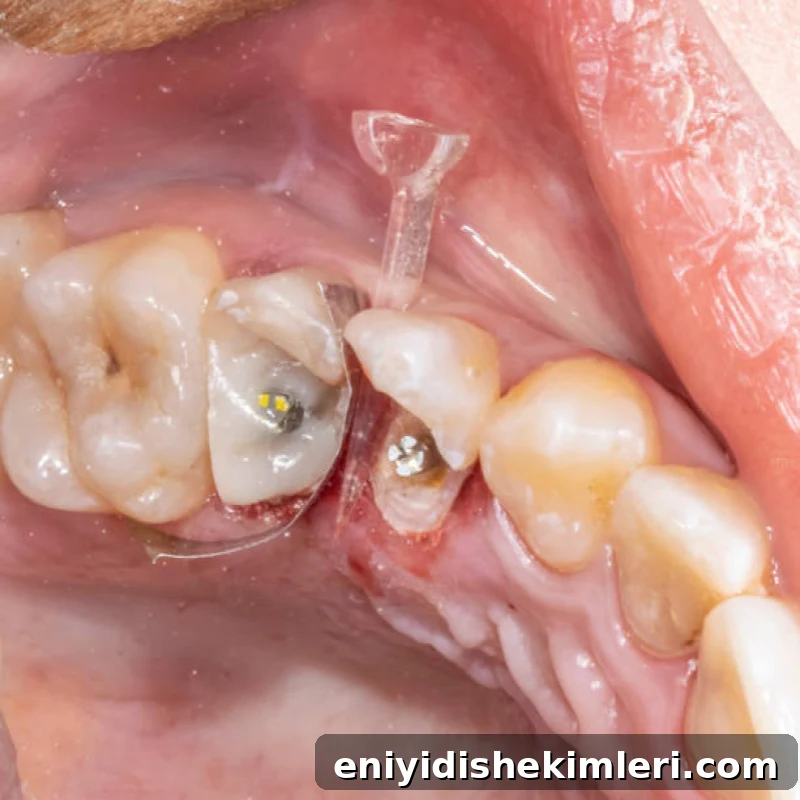
Gum recession cannot be reversed, but it is largely preventable. When caught early, the signs and symptoms can be managed so your gums and smile stay healthy. This article explains how gums function, why they matter, the common causes and risk factors for receding gums, how to recognize early signs, and practical steps—both conventional and … Read more
What I Did When My Granddaughter Got a Cavity: Step-by-Step Plan

featured 49703

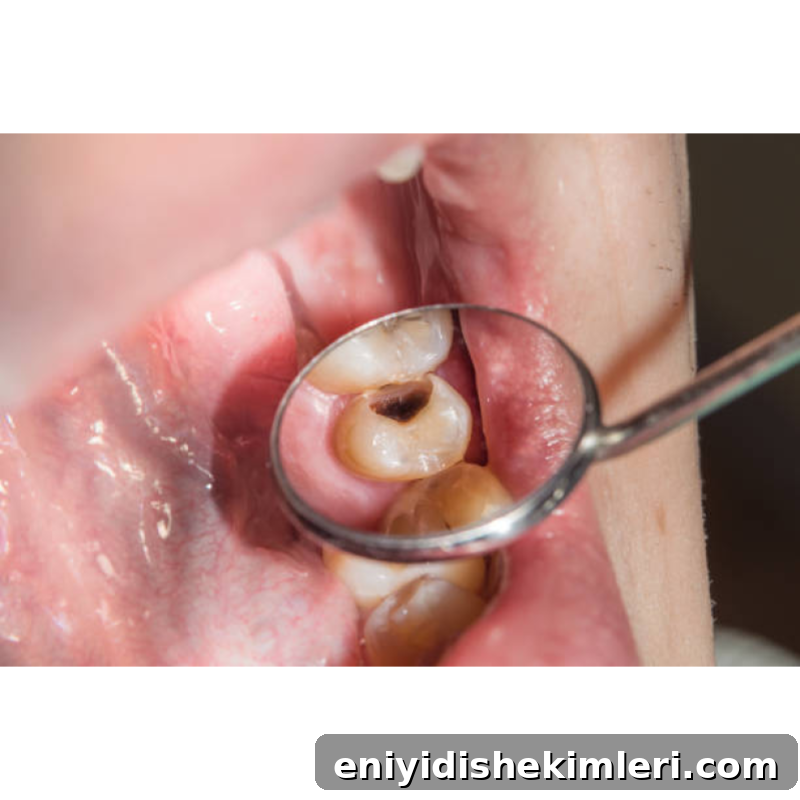
When my three-year-old granddaughter was diagnosed with a cavity, my first thought wasn’t simply, She needs a filling. It was, How did we get here? Fillings happen—even in families who eat well, brush regularly, and avoid soda. But when a cavity forms, it’s rarely just bad luck—it’s a sign something deeper is going on. If … Read more

Mondays with Mark: Understanding Colorectal Cancer (CRC)

featured 49123

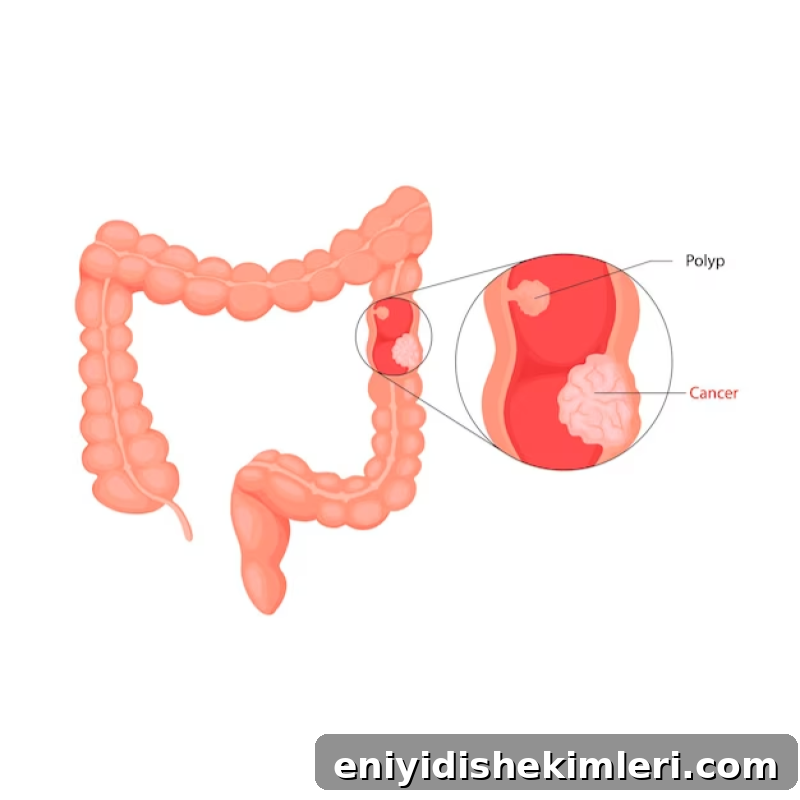
Recent headlines highlight a worrying trend: colorectal cancer is appearing in people at younger ages. That’s understandably alarming. In this article I examine a developing area of research: the relationship between Fusobacterium nucleatum (Fn) and colorectal cancer (CRC). Specifically, how might the bacteria in your mouth influence colorectal cancer risk? For nearly a decade, researchers … Read more

Hydroxyapatite Toothpaste: Uses, Benefits and Top Brands

featured 20827

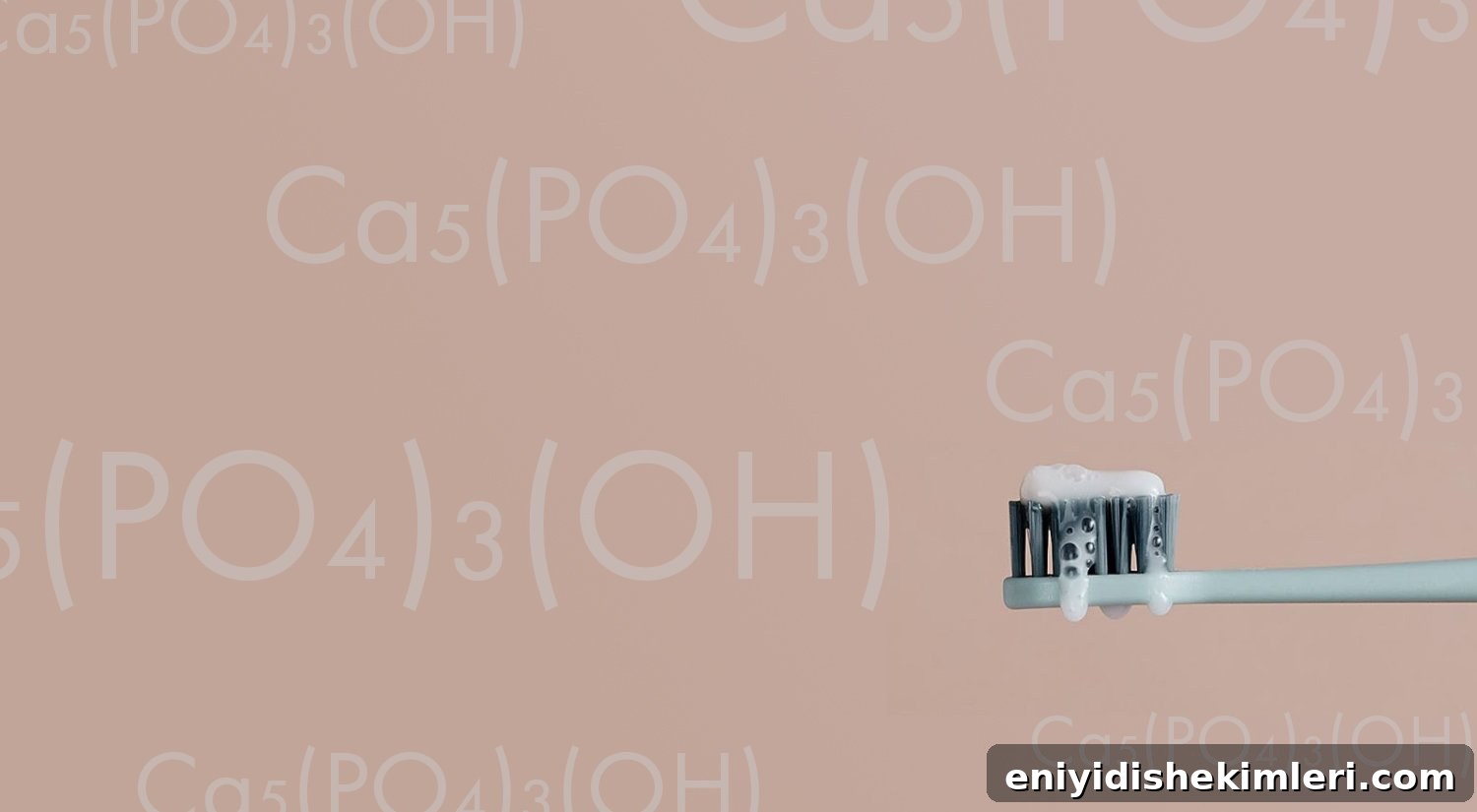
A new type of toothpaste is gaining attention as an alternative to fluoride. Hydroxyapatite (HAp) promises to protect and strengthen teeth — but how well does it work, is it safe, and should you consider using it? This article explains how HAp toothpaste works, why I recommend it as a fluoride-free choice for many patients, … Read more

What Is Dental Plaque and How It Harms Your Teeth

featured 2739

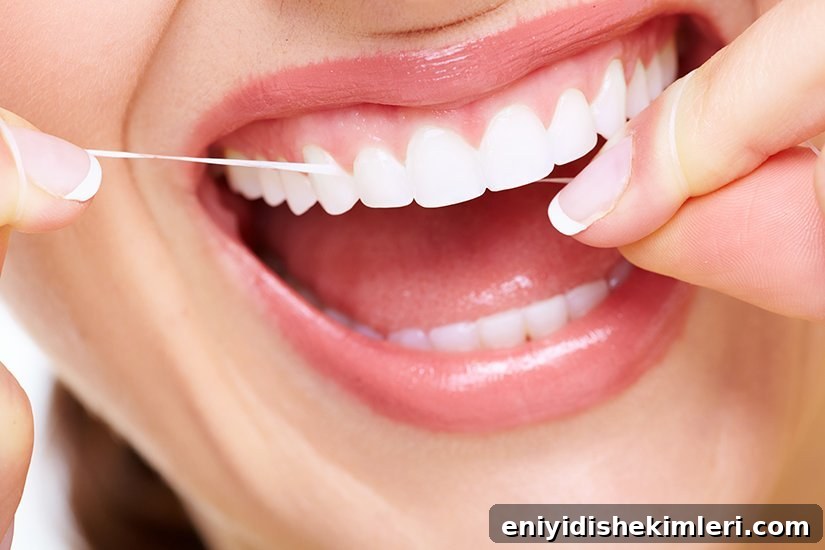
Run your tongue over your teeth right now. If you just ate or haven’t brushed in a while, you’ll notice a thin film on the surface — that film is plaque. It’s what you’re trying to remove when you brush and floss. You may not always see it, but you can feel when it’s there. … Read more

Should You Choose a Permanent Dental Retainer?

featured 23164

Retainers are devices you wear after your braces come off to keep teeth in their corrected positions. They can be either permanent (fixed) or removable. A permanent, or fixed, retainer is a thin metal wire bonded to the inner surfaces of the teeth. The wire is glued in place to prevent teeth from drifting back … Read more

Bleeding Gums: What They Reveal About Your Overall Health

featured 49012

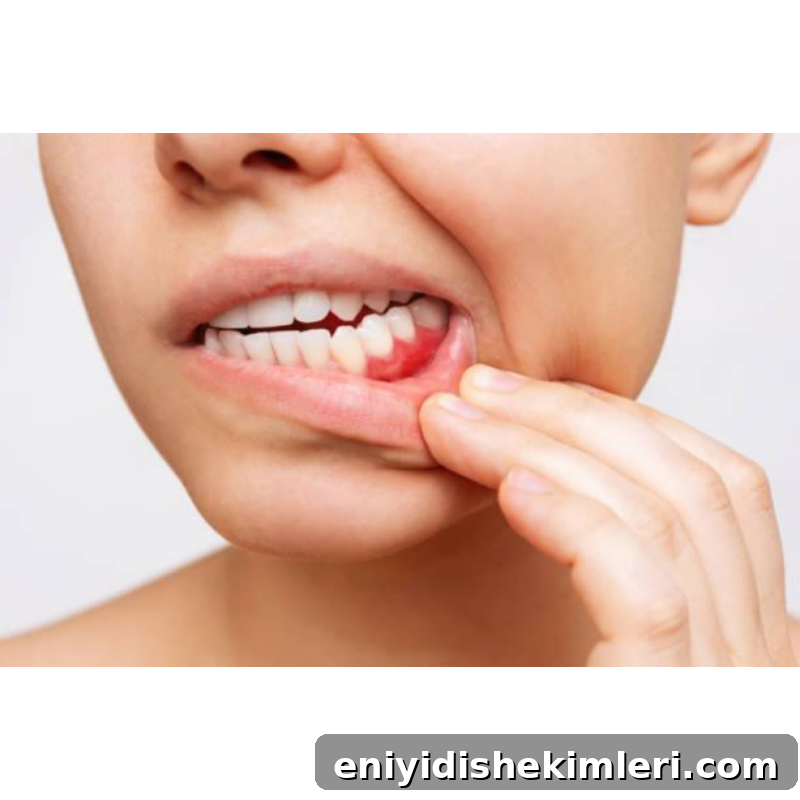
Gum disease doesn’t simply resolve on its own. It must be addressed early to prevent irreversible damage. This newsletter is brought to you by our sponsor, BIOptimizers, makers of my favorite magnesium supplement—use code ASKTHEDENTIST for Black Friday discounts and gifts with purchase. Let’s rethink sugar. For decades, dentists have warned that sugar causes cavities … Read more

How Breastfeeding Shapes Jaw Development and Reduces Need for Braces

featured 22503

Between 25% and 50% of children will need braces or other orthodontic treatment during childhood. Research suggests that breastfeeding can reduce the likelihood a child will require orthodontics later in life. Breastfeeding is widely known to support infant development: it strengthens the immune system, may lower the risk of obesity, and offers many other health … Read more

Must-Have Drugstore Finds From a Dentist After 40 Years

featured 51472

These items don’t have flashy branding or elaborate ad campaigns, but they’re the staples I reach for every time I visit the drugstore. 1) Distilled white vinegar (and/or baking soda) If your retainer starts to develop an odor, skip the Efferdent tablets. Many cleaning tablets contain persulfate, an ingredient the FDA has flagged for allergic … Read more